Westminster Hall
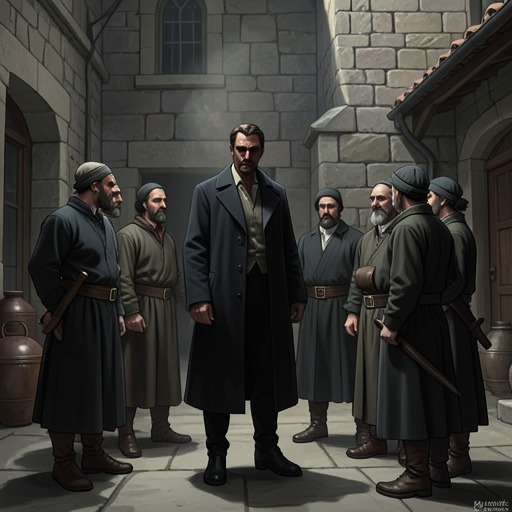
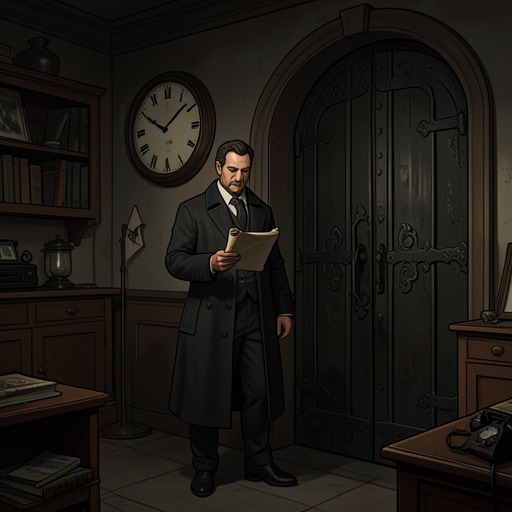
Wolf HallWestminster Hall is where Thomas More faces trial for treason and challenges the Crown’s authority to settle questions of spiritual jurisdiction by statute. The hall gathers the legal and political conflict into a public space: More’s defense invokes a religious authority beyond Parliament, while the prosecution treats that position as a denial of the king’s title. His conviction makes the hall a decisive stage in the struggle between royal power and conscience.
The Trial’s Setting
On the day of More’s trial, the Thames has risen and flooded its banks. The scene shifts from the threatened city outside to the court convened in Westminster Hall, where Thomas Cromwell has prepared for the proceedings with Norfolk, who is to preside. Cromwell expects the earlier charges, concerning words More had spoken and an alleged conspiracy with John Fisher, to be dismissed. The prosecution will instead rely on the Solicitor General Richard Riche’s account of a conversation with More.
The jury consists of Londoners, including merchants from the livery companies, men who have known More for years. Their experience of the Church’s power and their resistance to being told they cannot read scripture in English form part of the political atmosphere surrounding the trial. The hall is not merely a place where evidence is heard: it is where the Crown’s case must persuade a civic audience that More’s words constitute treason.
More’s Defense and the Verdict
Brought into the hall from the Tower, More appears so changed by imprisonment that those present are startled. He is nevertheless alert and combative, and checks that someone is taking notes. When the court moves toward sentence without first asking whether he has anything to say, More rises to speak.
He argues that Parliament can exercise temporal jurisdiction but cannot legislate in spiritual matters, which belong outside the realm’s authority. He says his conscience finds the statute faulty and its authority baseless, and appeals to the accumulated weight of Christendom’s kingdoms, saints, and church councils. Norfolk orders him taken away; the court has reached its conclusion, and More is convicted.
Public Power and Private Conscience
The trial makes the conflict over jurisdiction concrete. Cromwell’s succession legislation rests on Parliament’s competence and the king’s authority within England; More’s distinction between temporal and spiritual power rejects Parliament’s reach into the latter. The prosecution recasts that distinction as a possible denial of the king’s title, while More presents it as obedience to a higher law. The same words can therefore be heard as either a matter of conscience or an act of treason.
The hall’s public character sharpens the stakes. More speaks before a jury of Londoners and a gathered court, but the decisive struggle is over what kind of authority can make law and bind a subject’s conscience. His conviction resolves the legal contest in favor of the Crown without erasing the opposing claim. Later, Cromwell remembers More’s speech as a forceful final defense, still present to him after the trial has ended.